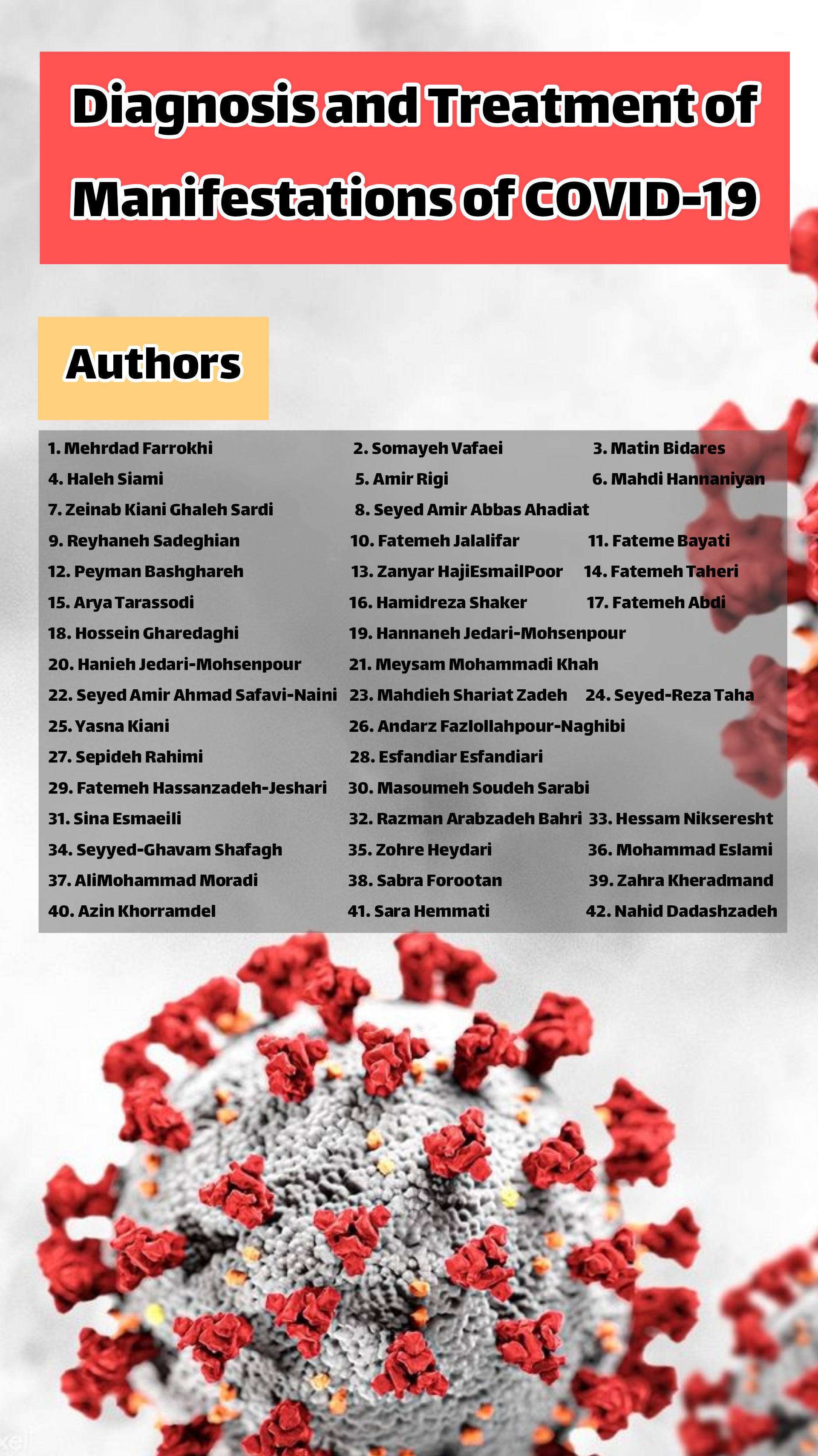
Diagnosis and Treatment of Manifestations of COVID-19
Keywords:
Diagnosis , Treatment , Manifestations , COVID-19Abstract
The diagnosis and treatment of manifestations of COVID-19 have evolved significantly since the onset of the pandemic. With an expanding understanding of the virus and its impact on the human body, healthcare professionals have refined their approaches to effectively diagnose and manage the disease. Diagnosis primarily relies on testing for the presence of the SARS-CoV-2 virus, typically through RT-PCR tests, antigen tests, or serological assays. Early in the pandemic, diagnosis centered on identifying common symptoms such as fever, cough, and shortness of breath. However, as our knowledge has grown, we've come to recognize a broader spectrum of manifestations, including loss of taste or smell, gastrointestinal issues, and neurological symptoms. Once diagnosed, the treatment of COVID-19 focuses on managing symptoms, preventing complications, and reducing viral spread. Mild cases often require only supportive care, such as rest, hydration, and over-the-counter medications to alleviate fever and pain. In moderate to severe cases, especially those involving respiratory distress, hospitalization may be necessary. In these instances, oxygen therapy, antiviral medications like remdesivir, corticosteroids to reduce inflammation, and in some cases, immune-modulating drugs are employed. The emergence of vaccines has also revolutionized the approach to COVID-19 treatment, shifting the focus towards prevention. Vaccination campaigns aim to reduce the severity of the disease, decrease hospitalizations, and ultimately achieve herd immunity. Furthermore, ongoing research continues to explore novel treatments, including monoclonal antibodies, immunomodulators, and repurposed drugs, with the goal of improving outcomes and reducing mortality rates.
Downloads
Published
Issue
Section
Categories
License
Copyright (c) 2021 Kindle

This work is licensed under a Creative Commons Attribution-NonCommercial 4.0 International License.
Since making research freely available supports a greater global exchange of knowledge, PreferPub provides immediate open access to its published books under the terms of the Creative Commons Attribution-NonCommercial 4.0 License (CC BY-NC 4.0). This license allows others to share, copy, and redistribute the material in any medium or format, as well as adapt, remix, transform, and build upon the material, as long as the use is non-commercial and appropriate credit is given to the original work.